Event-Driven Architecture (EDA): The Key to Building Responsive and Scalable Systems
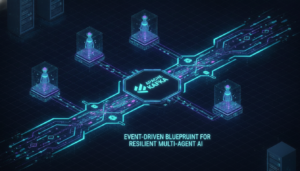
Event-Driven Architecture (EDA) is a software design paradigm where events serve as the primary means of communication between services. This approach is built around three main components: Producer, Channel, and Consumer. Let’s explore how these components work together and why EDA stands out as a superior architecture for modern systems.
1. The Core Components of EDA
Producer
The Producer is the component or service that generates and sends an event, typically to report an action or state change. Using a dedicated SDK, the Producer transmits the event to the Channel, often via a network call using specialized ports and proprietary protocols. Importantly, Producers can be implemented in any programming language.
Channel
The Channel is the heart of EDA, responsible for distributing events to the relevant parties. Events are placed into specialized queues, such as Topics or Fanout queues, which the Consumers listen to and capture. The implementation of a Channel can vary significantly, so it’s crucial to consult the documentation for the specific Channel you’re using.
Consumer
The Consumer is the component that receives and processes events sent by the Producer and distributed by the Channel. Like Producers, Consumers can be developed in any programming language compatible with the Channel’s libraries. Consumers receive events through either a Push mechanism (the Channel sends events) or a Pull mechanism (Consumers fetch new events from the Channel).
2. Why Choose EDA?
EDA offers several advantages over traditional command-and-query architectures, addressing key challenges in performance, coupling, and scalability:
• Performance: EDA operates asynchronously. The Channel doesn’t wait for a response from the Consumer, avoiding bottlenecks and ensuring a smoother flow of operations.
• Decoupling: Producers and Consumers remain unaware of each other, reducing dependencies and making the system easier to maintain and evolve.
• Scalability: Multiple Consumers can listen to the Channel for the same event. Adding more Consumers to handle higher event volumes is straightforward and doesn’t affect the Producer or Channel.
3. EDA and Pub/Sub: What’s the Difference?
EDA is often associated with the Publish and Subscribe (Pub/Sub) messaging pattern. However, there’s a key distinction:
• Pub/Sub refers specifically to a messaging pattern where Producers publish messages, and Consumers subscribe to them.
• EDA, on the other hand, describes the entire system architecture, encompassing how events are generated, distributed, and processed.
4. Event Ordering in EDA
Maintaining the order of events in EDA isn’t always guaranteed. Factors like Consumer latency, code performance, and Channel implementation can disrupt ordering. If event ordering is critical, it’s essential to choose a Channel that supports ordered delivery.
5. Orchestration vs. Choreography in EDA
EDA typically employs one of two architectural styles to manage event flows:
• Orchestration: A central orchestrator determines the flow of events, receiving outputs from components and invoking the next step.
• Choreography: No central component exists; instead, each component broadcasts event updates, and other components listen and act accordingly.
While both styles are widely used in EDA, they aren’t exclusive to it and can also be applied to other communication paradigms.
Final Thoughts
Event-Driven Architecture (EDA) is revolutionizing how systems are designed, offering flexibility, responsiveness, and scalability. Whether you’re building microservices, serverless applications, or real-time systems, EDA provides the foundation for creating systems that can grow and adapt effortlessly.
As businesses face increasing demands for agility and performance, adopting EDA could be the key to staying ahead in the ever-evolving tech landscape. If you’re considering building an EDA-based system, remember to carefully choose your Channel, define your Producers and Consumers, and select the right architectural style—Orchestration or Choreography—that best fits your use case.